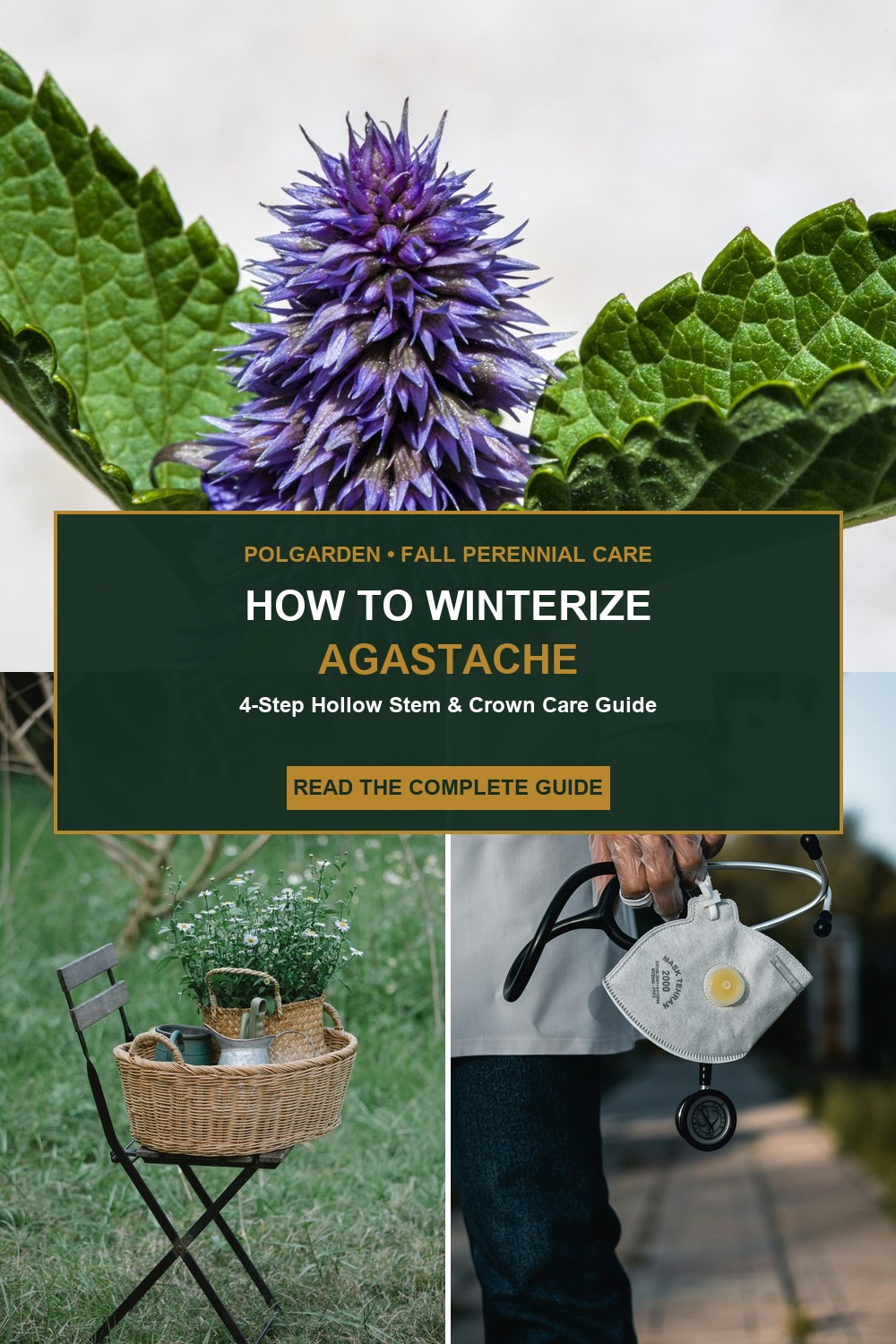
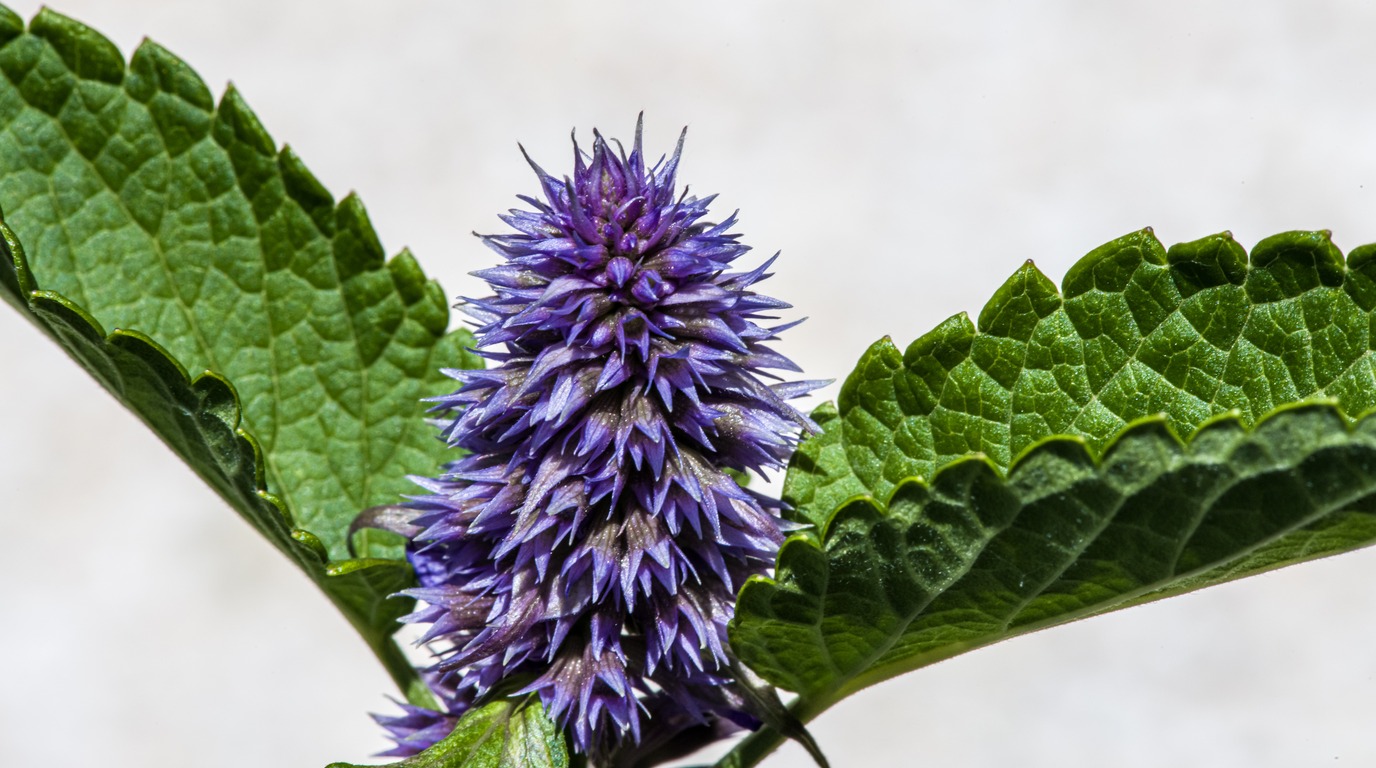
Emitting a tantalizing cloud of sweet anise and herbal mint fragrance whenever brushed, Agastache (commonly known as Hummingbird Mint, Anise Hyssop, or Licorice Mint) is one of the most prolific, pollinator-packed perennials in the modern sun garden. Bearing continuous, vibrant cylindrical wands of amethyst, terracotta, magenta, and coral from early summer straight into the first frosts of November, these North American and southwestern natives are celebrated for their extreme heat tolerance and drought resilience. Yet, despite their cold hardiness down to USDA Zone 5 (-20°F / -29°C), countless gardeners experience heartbreaking spring losses with Agastache every single year. The root cause is almost never winter temperature—it is a counter-intuitive anatomical vulnerability: Agastache possesses hollow, pithy square stems that act like open straws if pruned in autumn. Cutting stems back before winter allows freezing rain and slush to funnel directly into the crown heart, rotting the subterranean root mass in frozen mud. Learning how to winterize Agastache correctly—strictly preserving standing top growth, optimizing sharp crown gravel drainage, avoiding suffocating wood mulch, and timing cutbacks for early spring—is the essential master strategy to guarantee robust, aromatic bushes year after year.
Unlike tough, moisture-tolerant perennials such as hardy daylilies or woodland favorites like columbines that benefit from post-freeze autumn sanitation, Agastache shares a Mediterranean-style winter physiology with Russian sage and hardy lavender. In nature, wild Agastache species thrive on rocky, semi-arid slopes where winter moisture drains away instantaneously. In domestic gardens, heavy autumn mulching with organic wood chips or wet fallen leaves creates a lethal fungal trap, inviting destructive crown rot pathogens like Phytophthora and Rhizoctonia. Furthermore, leaving Agastache seedheads standing through the winter months transforms your border into an essential cold-weather banquet for goldfinches, chickadees, and overwintering beneficial insects. By adopting our systematic 4-step autumn protocol, you will protect crown integrity, provide natural winter bird forage, and set the stage for explosive aromatic growth when the soil warms in spring.
Why You’ll Love This Agastache Winterization Blueprint
- The Golden Hollow-Stem Protection Rule: Learn why leaving stems completely unpruned in autumn saves 100% of crowns from waterlogging and rot.
- Zero Winter Crown Rot: Master the gravel collar technique that stops freezing meltwater from pooling around basal growth points.
- Winter Wildlife Sanctuary: Transform dried architectural floral spikes into natural feeding perches and seed sources for native songbirds.
- Rock-Solid Spring Resurgence: Precise guidance on when and how to cut back old growth in spring to trigger dense, bushy branching.
Key Tools & Autumn Supplies

- Pea Gravel, Crushed Granite, or Horticultural Grit: The ultimate winter mulch for Agastache. Inorganic gravel reflects winter sunlight, keeps the crown collar dry, and never holds stagnant moisture against stems.
- Bypass Pruners (For Spring Use): Precision scissor blades reserved for early spring cutbacks once active green basal rosettes resume growth.
- Pine Boughs or Evergreen Branches (Optional): For harsh northern borders (USDA Zones 5–6), loose evergreen boughs shield crowns from desiccating winds without matting down.
- Hand Rake or Trowel: Used to clear decaying tree leaves away from the perimeter of the plant before winter sets in.
The 4-Step Agastache Fall Winterization Walkthrough
Step 1: Enforce the “No-Cut” Autumn Rule
The single most important rule for winterizing Agastache is: put your pruners away in autumn. While it is tempting to tidy up brown stems in October alongside other perennials, cutting back Agastache before winter is the leading cause of plant death. Because stems of the mint family (Lamiaceae) are hollow, autumn pruning opens up hundreds of tiny straws that channel freezing water directly down into the root crown. Leave all top growth, stems, and dried flower spikes standing 100% intact throughout the winter. The standing vegetation traps insulating snow and naturally buffers the crown from sub-zero winds.

Step 2: Clear Away Wet Leaves & Smothering Debris
In late autumn after surrounding deciduous trees shed their canopy, inspect the base of your Agastache plants. Heavy, wet leaves (especially oak or maple) tend to drift and collect around the base of the stems. If left in place, these sodden leaves create a damp, airless sponge that rots the crown and fosters fungal spores. Use your hands or a small rake to gently clear away all fallen tree leaves and decaying litter within a 6- to 8-inch radius around each plant.
Step 3: Apply an Inorganic Gravel Collar Mulch
Traditional organic mulches like wood chips, compost, or shredded bark retain excessive moisture that is fatal to Agastache in freezing weather. Instead, spread a 1- to 2-inch layer of clean pea gravel, chicken grit, or coarse sand directly around the base of the plant. A gravel collar offers three unbeatable benefits: it prevents wet soil from splashing onto lower stem collars, drains surface water away instantly, and warms quickly on sunny winter days to keep root zones dry.
Step 4: Cease Supplemental Watering in Early Autumn
Agastache prepares for winter dormancy by hardening its crown tissues and reducing water content in its cells. Supplemental irrigation in late September and October keeps tissues overly hydrated and lush, making cells prone to bursting during the first hard freeze. Taper off all watering by early autumn, allowing natural rainfall alone to carry the plant into dormancy. Only in cases of severe, prolonged autumn drought should you provide a single light watering 48 hours before the ground freezes solid.
3 Expert Secrets for Flawless Agastache Wintering
1. Cold Hardiness Depends on Drainage: An Agastache planted in heavy, waterlogged clay will often die at 25°F (-4°C). The exact same variety planted in fast-draining, gravelly soil will effortlessly survive -20°F (-29°C). If your garden has dense clay, always plant Agastache on raised berms, sloped rock gardens, or amended gravel beds.
2. Pruning Timing in Spring (Wait for Green Shoots): Do not rush to prune in February! Wait until mid-to-late spring (typically late March or April) when danger of hard freezes has passed and you clearly see fresh, green basal leaves emerging at the soil line. Then, cut back old dead stems to 2 to 3 inches above the new green growth.
3. Southwestern Species vs. Northern Hybrids: Understand your cultivar. Species native to the dry Southwest (like Agastache rupestris or A. aurantiaca) demand near-desert winter dryness and are hardier in USDA Zones 6–9. Northern natives (like Agastache foeniculum, Anise Hyssop) tolerate higher winter moisture and withstand temperatures down to Zone 4.
Autumn Garden Bed Pairings & Companion Care

- Drought-Tolerant Sun Companions: Combine Agastache with hardy perennial salvia and yarrow (Achillea) for a dynamic sun border that shares low-moisture winter needs and gravel mulching.
- Bird-Friendly Winter Borders: Interplant with coneflowers (Echinacea) and black-eyed Susans, leaving all architectural seedheads standing together to create an irresistible autumn and winter feeding ground for songbirds.
- Architectural Prairie Groupings: Pair alongside feather reed grass or little bluestem, allowing golden grass blades to complement the dark, upright Agastache spires against winter snow.
Spring Re-Emergence: Waking Up Your Hummingbird Mint
- Observing the Crown Awakening: In mid-spring as daytime temperatures consistently touch 55°F to 60°F (13°C to 16°C), inspect the crown base for tight clusters of fragrant, wrinkled green leaves emerging from the soil.
- The Spring Cutback: Once new green growth is 1 to 2 inches tall, take sharp bypass pruners and carefully snip off the old, grey dead stems 2 inches above the fresh foliage. The remaining short stubble protects the emerging shoots from late spring cold snaps.
- Minimal Feeding Rule: Do not feed Agastache with high-nitrogen fertilizers. Rich feeding causes floppy, weak growth and reduces winter hardiness. A light dusting of finished compost around the gravel collar in spring is all they need.
Agastache Winterization At-A-Glance
| Factor | Recommended Fall Protocol | Common Mistake to Avoid |
|---|---|---|
| Fall Pruning | Leave stems standing 100% intact | Cutting back to ground in autumn (causes crown rot) |
| Mulch Material | 1–2 in. pea gravel or coarse grit | Piling heavy wood chips or wet leaves on crown |
| Winter Watering | Cease watering in early autumn | Saturating soil before hard freezing weather |
| Spring Cutback Timing | Mid-to-late spring after new green shoots appear | Pruning prematurely in mid-winter |
| Cold Hardiness | USDA Zones 5–10 (Hardy to -20°F in dry soil) | Planting in heavy, poorly-drained clay |
Frequently Asked Questions
Should Agastache be cut down in the fall?
No! You should never cut Agastache down in the fall. Agastache has hollow stems that will channel cold rainwater and melting snow directly into the crown if cut back before winter, causing the plant to rot and die. Always leave the stems standing through winter and prune them back in mid-spring when fresh green shoots emerge.
Do hummingbirds and songbirds benefit from standing Agastache in winter?
Yes! The dried flower spikes of Agastache retain nutrient-rich seeds that provide vital cold-weather food for goldfinches, sparrows, and chickadees throughout late fall and winter. The standing structure also offers shelter for beneficial overwintering garden insects.
Why does Agastache fail to come back in the spring?
The primary cause of Agastache winterkill is excess soil moisture rather than freezing air temperatures. When planted in heavy clay soil or smothered with thick organic mulch, the root crown rots during freeze-thaw cycles. Ensure sharp gravel drainage and keep the crown free of wet autumn leaves to guarantee spring survival.
Pin This Agastache Winterizing Guide for Later
Protect your fragrant pollinator paradise before winter freezes arrive! Pin this step-by-step Agastache winterizing, hollow-stem protection, and gravel drainage guide to your Pinterest gardening board for easy seasonal reference!