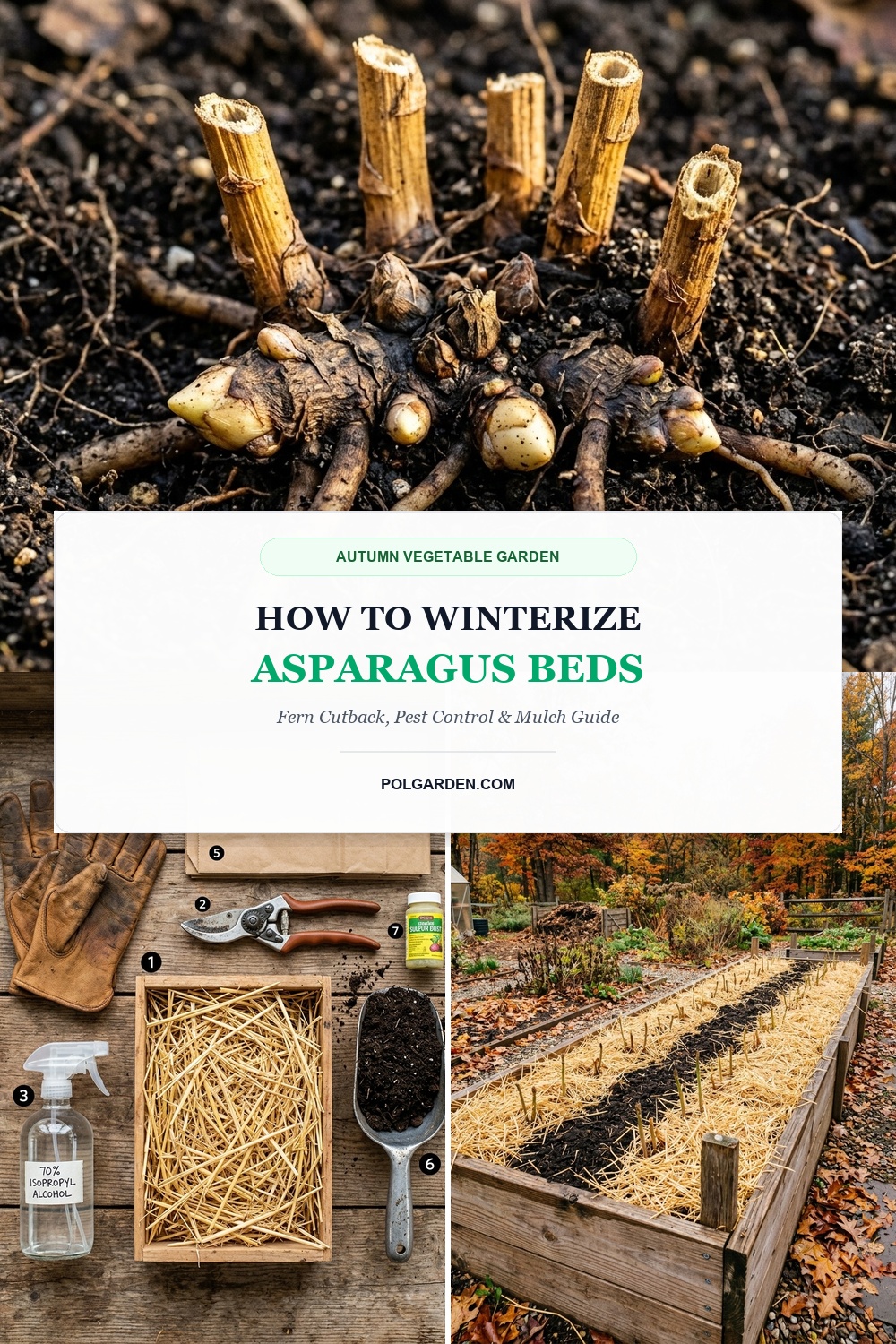
Among all the perennial treasures in the home kitchen garden, asparagus (Asparagus officinalis) reigns supreme as the ultimate long-term culinary investment, rewarding patient gardeners with crisp, succulent spears for twenty to thirty productive years from a single planting. Yet because asparagus is an enduring perennial crop that demands three full seasons of dedicated care before reaching harvest maturity, the way you manage your patch during late autumn dictates its harvest vigor, spear diameter, and overall crown longevity for decades to come. As cold weather descends, leaving dead, brittle fern canopies standing over your raised beds turns your patch into a winter haven for overwintering asparagus beetles and devastating fungal rust spores. Fortunately, learning how to winterize asparagus beds in fall is a straightforward, deeply satisfying seasonal chore: by waiting for complete frost-driven senescence, shearing dead stalks to two inches, bagging all infested top growth, and blanketing the crowns in rich organic compost and clean straw, you guarantee an explosive early spring emergence of tender, jumbo spears.
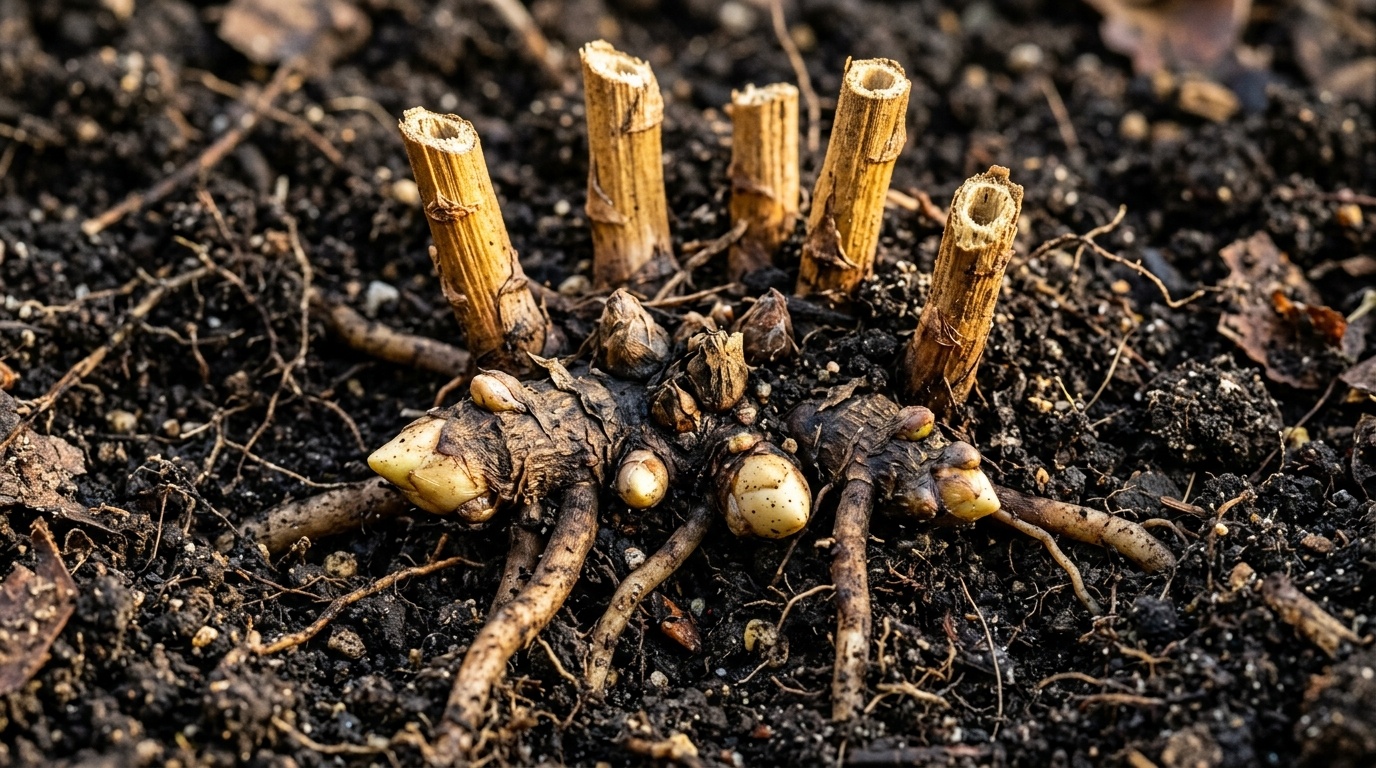
To winterize asparagus with professional precision, home growers must master the critical biological timeline of the asparagus crown. Throughout the summer months, the tall, feathery 5-to-7-foot fern canopy functions as a tireless photosynthetic factory, pumping essential carbohydrates, proteins, and minerals down into the fleshy, octopus-like subterranean root storage system. Cutting these green ferns back prematurely in late summer or early autumn is a catastrophic mistake that starves the crown, drastically shrinking spear yields next spring. Only after multiple hard autumn freezes have completely halted sap flow—turning the vibrant green fronds into brittle, golden-yellow straw—has all available energy been fully translocated into the crown. By executing our structured four-step autumn protocol—timing the cutback after full golden dieback, sanitizing tools, disposing of beetle-infested debris, and laying down heavy weed-suppressing winter mulch—you preserve crown health and prepare your garden beds for a massive harvest, echoing principles from our guide to winterizing raised garden beds.
Why You’ll Love Winterizing Asparagus in Fall
- Eradicates Destructive Overwintering Asparagus Beetles: Adult common asparagus beetles (Crioceris asparagi) seek shelter inside hollow dead stems and leaf debris during winter; cutting and removing stalks destroys their winter refuge.
- Eliminates Devastating Asparagus Rust Spores: The fungal pathogen Puccinia asparagi overwinters as microscopic black teliospores directly on spent ferns; complete autumn removal eliminates the disease cycle.
- Boosts Next Spring’s Spear Diameter & Yield: Top-dressing crowns with aged compost in autumn feeds the root system over winter, stimulating jumbo pencil-thick to thumb-thick spear production.
- Prevents Unwanted “Volunteer” Seedling Weeds: Female asparagus plants produce bright red berries containing seeds; cutting stalks before berries drop prevents thousands of tiny seedling weeds from overcrowding mature crowns.
Key Supplies & Pre-Winter Prep Station

Assemble your autumn bed maintenance kit on a dry, sunny day before ground freezes set in:
- Sharp Stainless Steel Bypass Pruners: Precision bypass shears slice cleanly through tough, fibrous asparagus stalks without yanking or dislodging the underground crown. Avoid using string trimmers, which shred stems and damage crowns.
- 70% Isopropyl Alcohol Spray: Disinfect pruner blades before and after cutting your patch to avoid transferring viral or fungal spores across vegetable plantings.
- Heavy-Duty Leather Garden Work Gloves: Dry autumn asparagus stalks can be surprisingly spiny and sharp; heavy gloves protect your hands while bundling large armfuls of fern brush.
- Heavy Paper Yard Waste Bags or Metal Incinerator Bin: Dead asparagus foliage should never be composted in backyard bins! Foliage must be burned or bagged for municipal trash disposal to destroy beetle larvae and rust spores.
- Well-Rotted Organic Compost or Aged Manure: A rich 2-to-3-inch autumn top-dressing provides slow-release nitrogen, potassium, and beneficial microbes that condition the soil through winter melt, identical to methods in our fall garlic planting guide.
- Clean Seed-Free Straw or Shredded Hardwood Mulch: Acts as a breathable insulating winter blanket that prevents frost heaving while suppressing early spring weed competition.
Step-by-Step Walkthrough to Winterize Asparagus Beds
1. Step One: Wait for Complete Golden Fern Dieback: Timing is paramount. Never cut down green asparagus ferns, even if they look disorderly in September. Through late summer and early autumn, the ferns act as solar panels, packing starch reserves down into the root system. Wait until freezing temperatures strike (typically in late October or November). The fronds will naturally turn golden-yellow, bronze, and then completely dry and brown. Once the stalks are fully desiccated and snap crisply, the translocation process is complete and the ferns can be pruned without sacrificing future yield.
2. Step Two: Precision Cutback to 2 Inches: Disinfect your shears with rubbing alcohol. Grasp a handful of dry stalks near the base and cut them cleanly roughly 2 inches (5 cm) above the soil level. Crucial technique: Never cut below the soil line, and never attempt to yank or pull stalks out by hand! Tearing stalks can rip the delicate, fleshy crown plates beneath the soil, snapping off dormant spear buds that would otherwise produce next spring’s harvest. Leaving a 2-inch stub marks the crown rows and prevents accidental walking or tilling over the crowns.

3. Step Three: Strict Sanitation & Debris Disposal (The Anti-Beetle Law): Rake the entire bed meticulously to gather every dropped needle, snapped branch, and red seed berry. Adult asparagus beetles spend the winter tucked inside hollow stem stubs and beneath loose ground debris. Place all cut foliage and raked material directly into paper yard waste bags for disposal or burn them if local municipal regulations permit. Never toss asparagus foliage into your home compost pile, as standard compost temperatures will not kill overwintering beetle eggs or rust fungi, a vital sanitation principle also highlighted in our guide to winterizing strawberry plants.
4. Step Four: Feed with Compost & Blanket with Winter Straw: Once the soil surface is immaculately clean, spread a generous 2-to-3-inch layer of rich, well-rotted organic compost or aged steer manure across the entire bed. Asparagus is a heavy feeder that thrives on abundant organic matter. Finally, top the compost layer with 3 to 4 inches of clean, seed-free weed straw, shredded autumn leaves, or aged pine mulch. This mulch blanket insulates crowns against severe freeze-thaw cycles that can heave shallow crowns upward, while locking in winter moisture and blocking spring weed germination.
3 Botanist Secrets for a 30-Year Heavy-Yielding Asparagus Patch
1. Eradicate Red Seed Berries to Prevent Patch Congestion: If you grow traditional heirloom varieties (such as ‘Mary Washington’) rather than modern all-male hybrid strains (such as ‘Jersey Knight’ or ‘Millennium’), your female plants will produce clusters of bright red seed berries in late summer. While they look charming, these seeds drop into the soil and germinate into thousands of weak, spindly “volunteer” seedlings in spring. These volunteer seedlings compete fiercely with your established mature crowns for water and nutrients, eventually choking out thick spears. Collect and discard all female seed stems before berries drop.
2. Manage Soil pH with an Autumn Lime or Rock Phosphate Boost: Asparagus detests acidic soil; an ideal soil pH sits strictly between 6.5 and 7.2. If your soil pH drifts below 6.0, spear production declines precipitously. Autumn is the best time to apply agricultural lime or dolomitic limestone if a soil test reveals acidity, as winter rains and snowmelt slowly dissolve the minerals down into the root zone before spring growth resumes. Simultaneously, a light broadcast of bone meal or rock phosphate provides essential phosphorus to fuel early crown vigor.
3. The Early Spring Mulch Rake-Back Trick: In early spring—roughly 2 to 3 weeks before your region’s typical last frost date—gently rake back the heavy straw mulch into the bed pathways. Exposing the dark compost-covered soil to direct early spring sunshine warms the root zone 10 to 14 days faster, triggering earlier crown awakening and jumpstarting your fresh spear harvest two full weeks ahead of neighboring gardens.
Ideal Winter Bed Setup & Weed Defense

A properly prepared autumn bed guarantees hassle-free management through cold weather:
- Weed Eradication Before Mulching: Weeds are the number one enemy of asparagus because the plant’s shallow, spreading root system makes mechanical hoeing impossible without slicing crowns. Hand-pull all perennial weeds (like dandelions, bindweed, and crabgrass) by the roots before applying autumn compost and mulch.
- Drainage Verification: Asparagus crowns will rot and die in standing water. Ensure your raised beds or in-ground trenches have clear drainage channels so winter rains and melting snow drain away freely from root plates.
- Winter Watering in Dry Climates: In arid Western or semi-arid regions with dry, snow-free winters, give the mulched bed one thorough, deep soaking in November and another in January on a mild morning to prevent crowns from desiccating in bone-dry soil.
- Salt Tolerance & Weed Control: Asparagus is a maritime native plant with exceptional salt tolerance. Historically, gardeners applied agricultural rock salt to asparagus beds in late autumn to kill broadleaf weeds without harming crowns. While compost and mulch have replaced this practice, it underscores how tough and resilient dormant crowns are under proper care.
Spring Harvest & Spear Cutting Protocol
As spring soils warm past 50°F (10°C) in April, the dormant buds will swell and thrust tender, succulent spears straight out of the compost:
- Harvest Window Duration: Harvest spears when they reach 6 to 9 inches (15 to 23 cm) tall before spear tips begin to “fern out.” On mature beds (4+ years old), harvest continuously for 6 to 8 weeks; on young 3-year beds, limit harvesting to 2 to 3 weeks to build crown strength.
- Snap, Don’t Cut: Bend each spear near the soil line until it snaps cleanly with a crisp “pop.” Snapping ensures you only harvest the tender edible portion while leaving tough woody bases behind, preventing accidental knife cuts to subterranean crown buds.
- Post-Harvest Fern Letting: When spear diameters shrink to smaller than a pencil, stop harvesting immediately! Allow all subsequent spears to grow unhindered into tall, bushy ferns for the summer, recharging the crown for the following year.
Frequently Asked Questions
What month do you cut back asparagus in the fall?
Asparagus should be cut back in late October or November, specifically after several hard killing frosts have turned the tall ferns completely golden-yellow or brown. Never cut ferns while they remain green, as green foliage actively stores energy for next year’s harvest.
Can I compost cut asparagus ferns?
No. Dead asparagus stalks should never be added to backyard compost piles. Spent ferns frequently harbor overwintering adult asparagus beetles and microscopic fungal spores of asparagus rust, both of which survive standard composting temperatures and reinfect beds in spring.
Should I mulch asparagus beds for winter?
Yes, absolutely. After cutting back dead stalks and adding a 2-inch layer of rich organic compost, apply 3 to 4 inches of clean, seed-free straw, pine needles, or shredded leaves. This protects crowns from freeze-thaw cycles and prevents frost heaving.
How close to the ground should asparagus be cut?
Cut stalks cleanly roughly 2 inches (5 cm) above the ground level using sharp bypass shears. Never pull or tear stalks by hand, as tearing can rip fleshy underground crown tissues and damage emerging spring buds.
Save This Winter Garden Guide for Later
Love this guide? Save this pin to your Pinterest gardening board so you have the step-by-step asparagus bed winterizing and beetle prevention blueprint ready every autumn!